Direct evidence for ProstaSol
No published randomised clinical trial of the finished formula was identified in the supplied material or our literature search. A proven PSA-lowering effect of ProstaSol cannot be inferred.

A selected botanical combination – with a clear distinction between clinical evidence, laboratory findings and unanswered questions about PSA dynamics.
Food supplement. Not a substitute for diagnosis or medical treatment. A raised or rising PSA level requires medical assessment.
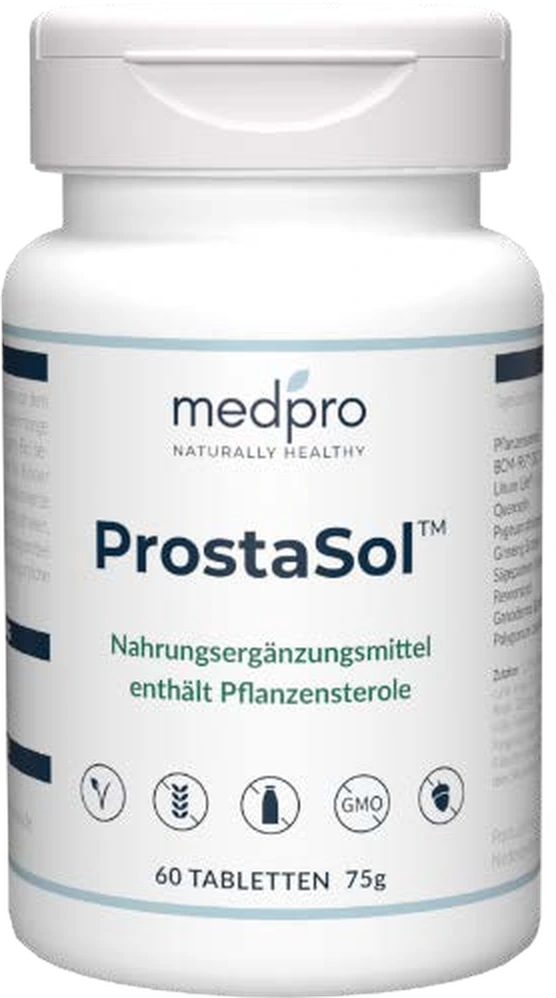
ProstaSol is a food supplement combining a broad range of botanical substances for men. The current formula includes plant sterols, BCM-95™ curcumin, LinumLife® lignans, quercetin, pygeum, ginseng, saw palmetto, resveratrol, Ganoderma and Polygonum cuspidatum extract.
The scientific answer is nuanced. Some ingredients have limited clinical or preclinical signals; for others, high-quality trials explicitly found no PSA effect.
No published randomised clinical trial of the finished formula was identified in the supplied material or our literature search. A proven PSA-lowering effect of ProstaSol cannot be inferred.
A randomised trial in prostate cancer during intermittent androgen deprivation found fewer PSA progressions during treatment, but no significant difference in absolute PSA change.
A small pilot combining flaxseed with a low-fat diet reported lower PSA. The combined intervention, small sample and lack of a control group make attribution uncertain.
The large CAMUS trial found no difference from placebo in PSA changes, even at high doses.
A small randomised trial improved symptom scores but did not change serum PSA, prostate volume or urinary flow.
Cell and animal models report effects on androgen signalling, PSA expression, inflammation or cell growth. These are not clinical efficacy data.
Amounts are for four tablets daily according to the current product information on med-pro.org. Most botanical images are from the supplied ProstaSol brochure.
Clinical BPH trials report improvements in symptoms and urinary flow. They do not establish PSA lowering.
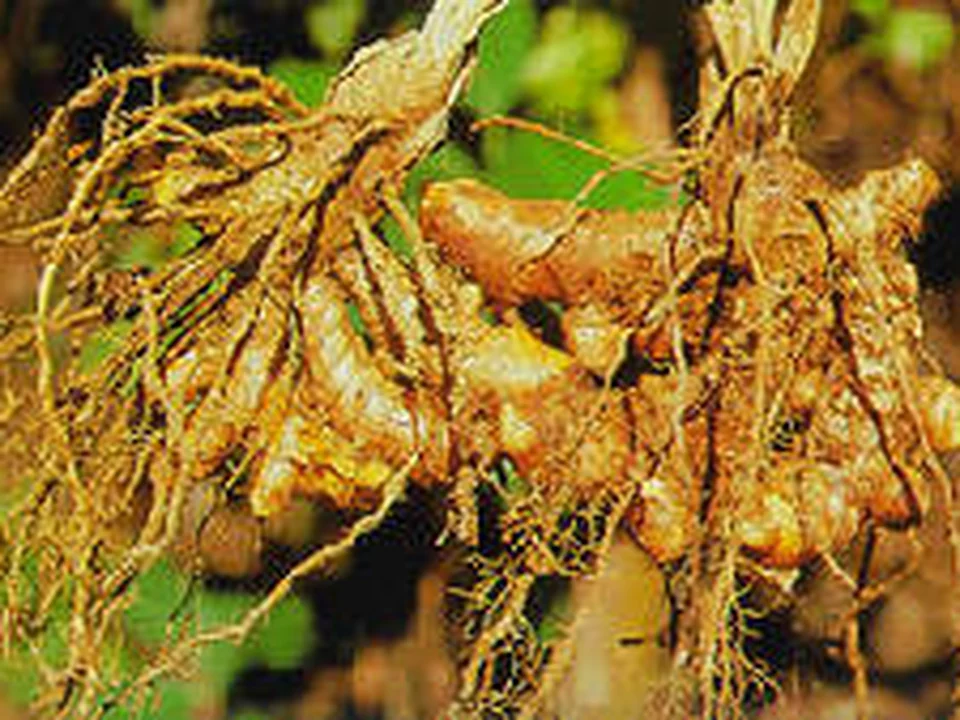
Curcumin has extensive preclinical research. Clinical PSA evidence is limited and inconsistent.
Pilot and dietary studies provide signals on prostate biomarkers; evidence that lignans alone lower PSA is insufficient.
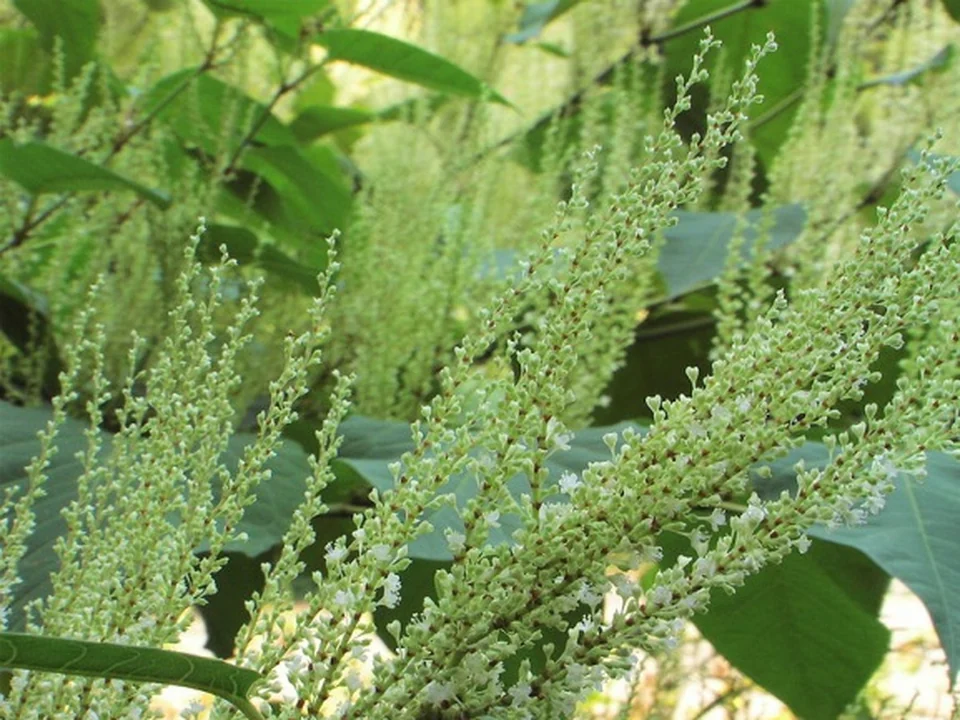
Laboratory studies assess cell-cycle, inflammatory and androgen pathways. Clinical PSA efficacy has not been established.

Older controlled trials and reviews suggest benefit for LUTS/BPH, not specifically for PSA.
Mechanistic data concern inflammation and androgen signalling. Robust clinical evidence for PSA lowering is lacking.
High-quality studies find no relevant effect on PSA; evidence for urinary symptoms is mixed.
Research is mainly preclinical and concerns inflammation and cell processes. No clinical PSA proof at the product dose.
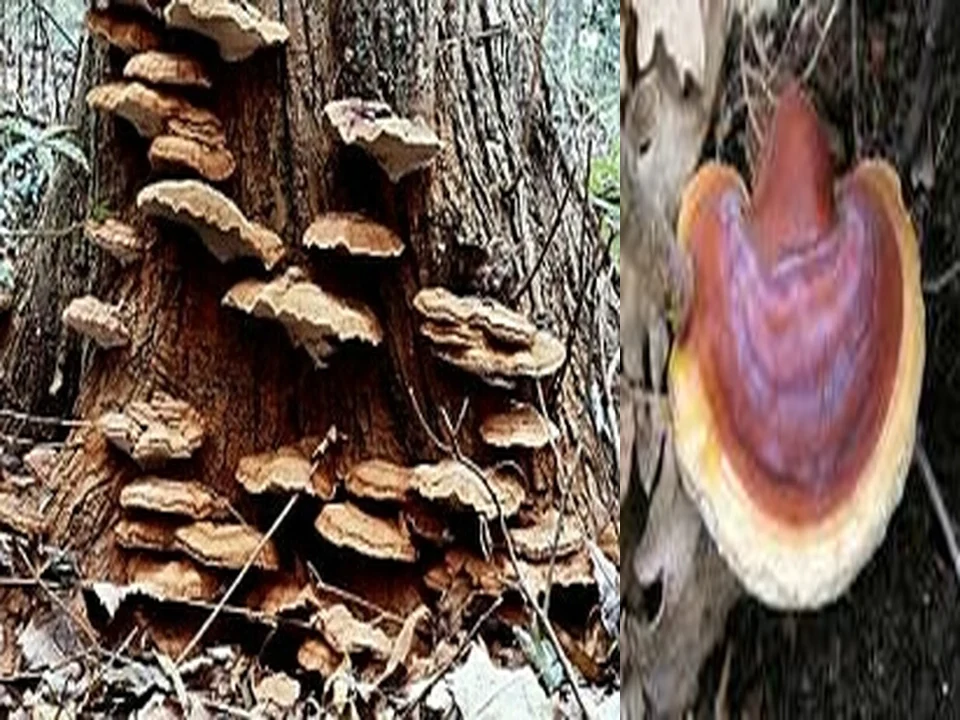
A small RCT improved IPSS symptoms but did not alter PSA or prostate volume.
Four tablets per day. Do not exceed the recommended daily intake.
| Component | Amount |
|---|---|
| Plant sterols | 643 mg |
| BCM-95™ DC (curcuminoids) | 643 mg |
| LinumLife® (flaxseed lignans) | 360 mg |
| Quercetin | 150 mg |
| Pygeum africanum bark powder | 150 mg |
| Ginseng extractincluding 15 mg ginsenosides | 102 mg |
| Calcium12% NRV | 101 mg |
| Phosphorus12% NRV | 79 mg |
| Saw palmetto extractSerenoa repens | 50 mg |
| Resveratrol | 12.6 mg |
| Ganoderma extract20:1 | 3.9 mg |
| Polygonum cuspidatum root extract50% resveratrol | 3.6 mg |
Links open the PubMed record. The summaries identify design, findings and limitations – including neutral and negative results.
Randomised and placebo-controlled: improved symptoms, urinary flow and residual volume; no relevant reduction in prostate volume. PSA lowering was not the efficacy finding.
Systematic review of mostly older, short trials: moderate benefit for symptoms and urinary flow; methodological quality and long-term evidence were limited.
Small double-blind trial: improved IPSS, but no change in prostate volume, urinary flow or serum PSA.
369 men, up to three times the standard dose: PSA changes did not differ from placebo. Saw palmetto did not lower PSA.
97 patients: fewer had PSA progression during 6 months, but absolute PSA change and off-treatment duration did not differ significantly.
Combination supplement in men after a negative biopsy: PSA fell only in a subgroup with baseline PSA ≥10 ng/mL. The independent contribution of curcumin is uncertain.
Small uncontrolled pilot: PSA declined; the combined dietary intervention, small sample and absence of a control group prevent attribution to flaxseed or lignans alone.
Randomised trial in 161 men: lower tumour proliferation rates in flaxseed groups. This is a tissue biomarker, not proof that ProstaSol lowers PSA.
Cell-culture study: reduced androgen-driven PSA gene and protein expression. Preclinical data generate hypotheses and cannot establish clinical PSA lowering.
The studies assess individual compounds or different combinations, often at substantially different doses. Extrapolation to ProstaSol is limited.
Based on the reviewed material, no randomised clinical trial of the finished ProstaSol formula establishes PSA lowering. Findings for individual ingredients range from limited signals to clearly negative trials.
No. PSA is a risk and monitoring marker whose interpretation depends on age, prostate conditions, inflammation, procedures and treatment. Changes should be assessed by the treating physician.
No. ProstaSol is a food supplement and does not replace diagnostic testing, urological care or cancer treatment.
Scientific transparency requires positive, neutral and negative findings to be shown together. This helps prevent laboratory or pilot findings from being overstated.
Find current product details, availability and ordering options directly from med-pro Holland B.V.